
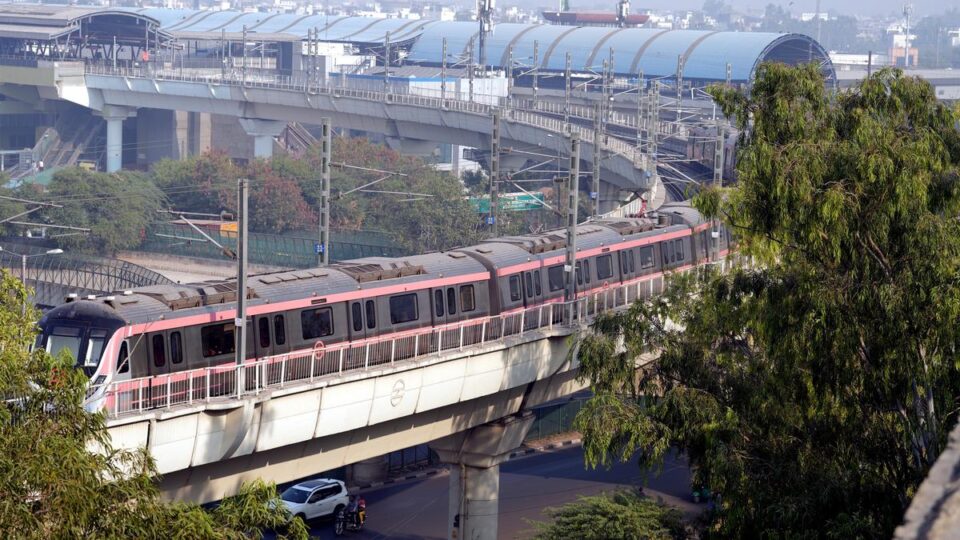
The Delhi Metro Rail Corporation (DMRC) has announced a revision in passenger fares effective Monday, August 25, 2025, marking the first increase in nearly eight years. While the DMRC described the hike as “minimal”, daily commuters say the move has added fresh burden on their pockets.
Under the revised fare structure, passengers travelling up to 2 km will now pay ₹11 instead of ₹10, while those journeying beyond 32 km will be charged ₹64, up from ₹60. For other slabs, the hike ranges between ₹1 and ₹4. On Sundays and national holidays, fares have also gone up—for example, a 2–5 km trip now costs ₹21 instead of ₹20, and long-distance travel beyond 32 km is ₹54 instead of ₹50.
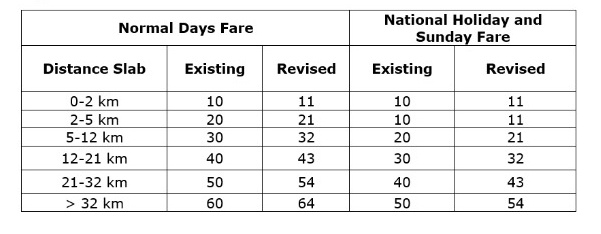
The Airport Express Line too has witnessed an increase of ₹1 to ₹5. However, DMRC clarified that smart card users will continue to enjoy a 10% discount on every ride, with an additional 10% rebate during off-peak hours (before 8 AM, 12–5 PM, and after 9 PM).
The corporation defended the move, saying the revision was necessary to meet rising operational costs after almost a decade. “The increase is marginal and designed to ensure financial sustainability while keeping fares affordable,” a DMRC spokesperson said.
But the decision has sparked widespread criticism. Students and office-goers, who form the bulk of Metro passengers, expressed anger over the sudden hike. “We were already struggling with high fares. Delhi University student Aditi Sharma said, “This is extremely unfair.”. Opposition groups have also slammed the government, calling the move “anti-people”.
With lakhs of commuters depending on the Metro daily, the fare hike has reignited debates on the affordability of public transport in Delhi-NCR, even as DMRC insists that discounts and concessions will soften the impact.