

The fashion world is facing a digital reckoning as AI-generated models make their way from experimental showcases to the glossy pages of mainstream magazines. The latest uproar comes after American Vogue’s August 2025 issue featured a Guess advertisement starring a flawless, smiling model — only to reveal in fine print that she was artificially created.
Developed by Seraphinne Vallora, a London-based AI marketing agency, the model triggered a wave of backlash after TikTok user @lala4an exposed the truth behind the campaign. The video has since garnered over 2.7 million views, sparking widespread debate on AI in fashion, the representation of women, and the future of modeling as a profession.
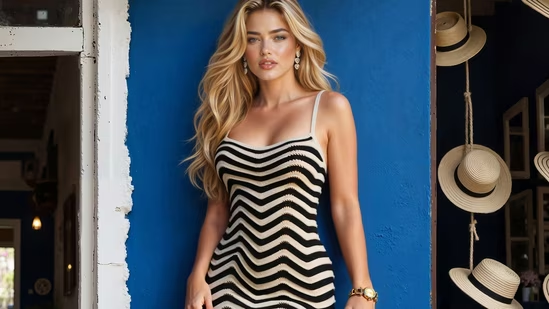
Many social media users expressed concern over how unrealistic beauty standards are now being shaped not just by edited photos of real people — but by women who don’t even exist. “So first normal women are comparing themselves to edited models… Now we have to compare ourselves to women that don’t even exist?” one viral comment read.
While Vogue clarified that no AI-generated model has ever appeared editorially in the magazine, the fact that the ad was approved for print has raised eyebrows. Critics have called out the “artificial diversity” that some brands, including Levi’s in 2023, have attempted by using AI instead of hiring real, diverse models.
Commercial model Sarah Murray, who first encountered AI models in 2023, called the trend “exhausting” and “disheartening.” Her fears now echo louder than ever as AI avatars begin replacing real people in fashion campaigns.
As brands continue to embrace digital models, the industry finds itself at a crossroads — one where technology and aesthetics clash with questions of ethics, representation, and human creativity.