
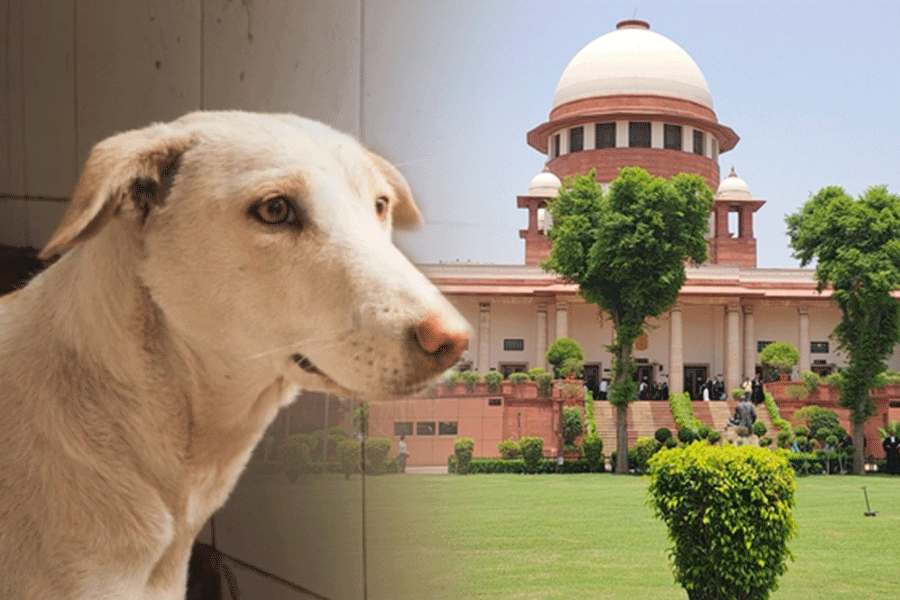
The Supreme Court’s recent directive to remove all stray dogs from Delhi-NCR within eight weeks has ignited one of the most heated public debates in recent memory. A bench comprising Justices J.B. Pardiwala and R. Mahadevan described the situation as “grim,” citing the alarming rise in dog bite cases and the threat of rabies, particularly to children, women, and the elderly.
The order mandates civic bodies, including the MCD, NDMC, and authorities in Noida, Gurugram, and Ghaziabad, to capture all stray dogs and relocate them to shelters—regardless of whether the animals are sterilised. In areas lacking such facilities, authorities must urgently construct shelters and submit infrastructure reports within eight weeks. Any obstruction to the capture drive could lead to contempt proceedings.
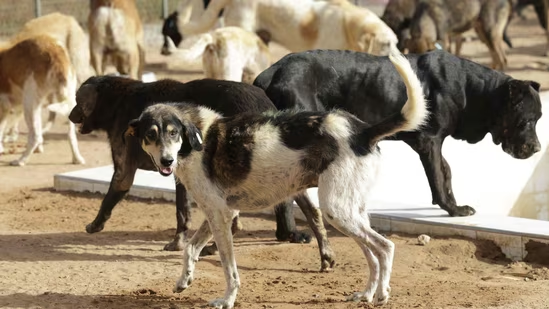
Supporters of the order argue that the growing stray dog menace poses a genuine public safety concern. Delhi Chief Minister Rekha Gupta and the city’s mayor have backed the move, promising systematic action plans. Many residents, especially RWAs, have welcomed the decision as overdue relief from persistent safety fears.
However, animal rights activists, including PETA India, have strongly condemned the order, labelling it “impractical, illogical, and illegal.” Critics like Rahul Gandhi stress that humane solutions—such as sterilisation, vaccination, and community care—can ensure public safety without cruelty. Activists warn that sudden mass removals could disrupt dog packs, increase aggression, and worsen human-animal conflict.
Social media reactions reflect the divide: some call on animal lovers to adopt and personally care for strays, while others see the move as necessary to protect vulnerable citizens. Yet voices of dissent argue that the ruling ignores compassion and ecological balance, turning a public health challenge into a moral flashpoint.
As Delhi-NCR braces for the implementation, the battle between public safety and animal rights shows no signs of quieting down.